
Meninas em Campo: Onde Nasce a Liderança.

(scroll down for English)
“É no campo que muitas meninas descobrem a própria voz.”
A liderança não nasce de discursos, mas de experiências — e poucas são tão formadoras quanto o esporte.
O estudo Play to Lead: The Generational Impact of Sports on Women’s Leadership, publicado em 2024 pela Women’s Sports Foundation, analisou 2.886 mulheres entre 20 e 80 anos e mostrou que quase metade das líderes atuais começaram a desenvolver suas habilidades ainda jovens, em ambientes esportivos.
Mais do que aprender a vencer, elas aprenderam a competir — e a competir sem medo.
A competição, ainda vista por muitos como algo a evitar, é o terreno fértil onde nascem a autoconfiança, a resiliência e a capacidade de inspirar — pilares da liderança feminina.
⸻
🏃♀️ Quando competir é aprender a liderar
Durante muito tempo, as meninas foram ensinadas a “participar”, não a competir.
Mas é na competição que a liderança se forma.
É ali que se aprende a decidir sob pressão, a lidar com o erro, a apoiar o time, a recomeçar.
E são essas experiências que moldam mulheres que, mais tarde, lideram com empatia e coragem.
• 67% das entrevistadas afirmaram que as lições do esporte seguem vivas em suas vidas.
• 48,6% disseram ter aprendido a liderar por meio dele.
⸻
💬 Competição não é confronto
Enquanto meninos são incentivados a “ser fortes” e “vencer”, as meninas ainda são ensinadas a “ser boas” e “evitar conflitos”.
Mas liderar exige o contrário: ousar, decidir, assumir riscos.
Ensinar meninas a competir com ética e alegria é ensinar a liderar com confiança e propósito.
⸻
🌱 O que pode mudar essa realidade
1. Incentivar a permanência: manter meninas ativas na adolescência, fase em que muitas desistem.
2. Fortalecer referências: investir em treinadoras e mentoras mulheres.
3. Redefinir o erro: transformar derrotas em aprendizado.
4. Garantir acesso: incluir meninas de todas as origens no esporte competitivo.
5. Ver o esporte como formação humana, não só desempenho.
⸻
✨ Mais que medalhas
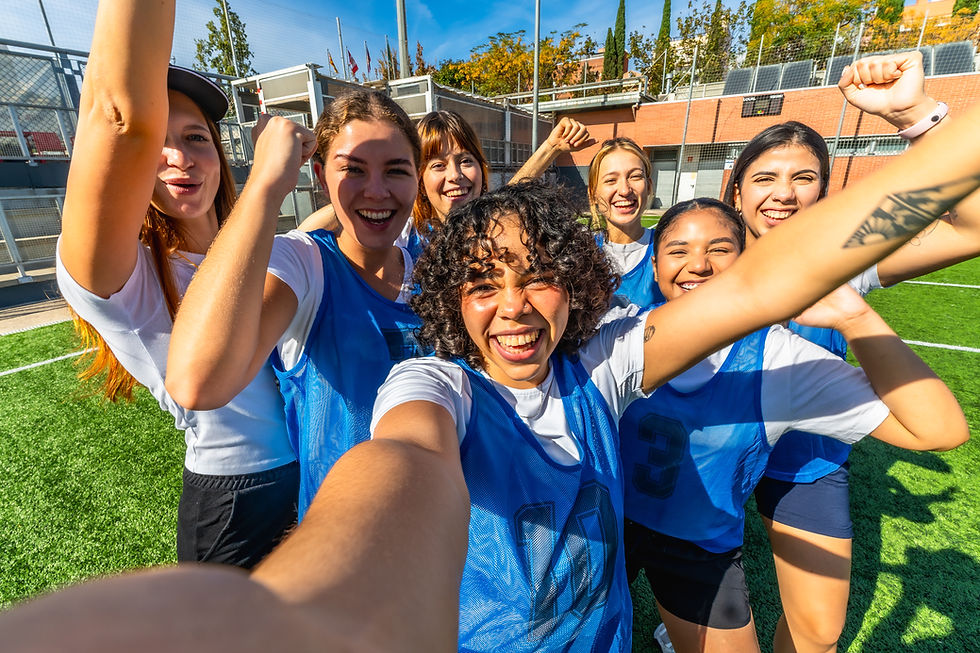
O campo é o primeiro lugar onde muitas meninas aprendem a liderar a si mesmas.
Ali, entendem que força e sensibilidade podem coexistir — e que competir não é sobre vencer o outro, mas superar os próprios limites.
É assim que nascem as líderes: no som da bola quicando, no erro corrigido, na coragem de tentar de novo.
Inglês:
🟩 Girls on the Field: Where Leadership Is Born
“It’s on the field that many girls first discover their own voice.”
Leadership isn’t born from speeches — it grows out of experience.
And few experiences shape character as deeply as sport.
The study Play to Lead: The Generational Impact of Sports on Women’s Leadership, published in 2024 by the Women’s Sports Foundation, surveyed 2,886 women aged 20 to 80 and found that nearly half of today’s female leaders began developing their skills early in life, through sports participation.
More than learning to win, they learned to compete — and to compete without fear.
Competition, still viewed by many as something to be avoided, is in fact the fertile ground where confidence, resilience, and inspiration take root — the very pillars of leadership.
⸻
🏃♀️ When Competing Means Learning to Lead
For too long, girls have been encouraged to “participate” rather than to compete.
But it’s through competition that leadership is forged.
It’s there — in the tension of the game — that one learns to make quick decisions, handle mistakes, support teammates, and start over.
Those moments create women who later lead with empathy and courage.
• 67% of women surveyed said that the lessons learned through sport still guide their lives today.
• 48.6% said they learned how to lead through those experiences.
⸻
💬 Competition Is Not Confrontation
While boys are urged to “be strong” and “win,” girls are often taught to “be good” and “avoid conflict.”
Yet leadership demands the opposite: to take risks, make bold choices, and stand firm.
Teaching girls to compete — with ethics, joy, and confidence — is teaching them to lead with purpose.
⸻
🌱 What Can Change This Reality
1. Encourage participation over time: keep girls active through adolescence, when many drop out.
2. Build stronger role models: invest in female coaches and mentors.
3. Redefine failure: turn losses into lessons.
4. Ensure access: include girls from all backgrounds in competitive sports.
5. View sport as human development, not just performance.
⸻
✨ More Than Medals
The field is the first place where many girls learn to lead themselves.
It’s where they discover that strength and sensitivity can coexist — and that competing isn’t about defeating others, but about overcoming one’s own limits.
That’s how leaders are born: in the sound of the bouncing ball, in the correction after a missed play, in the courage to try again.
Meninas em Campo: Onde Nasce a Liderança.
Por Valéria Monteiro.
Jornalista, fundadora do site valeriamonteiro.com.br
e ex-âncora da TV Globo e Bloomberg.


Comentários